
DR. NAWAL MUSTAFA
The Scramble and the Divide: Colonialism and Political Fragmentation
The African Studies series continued with its second session, shifting the focus from pre-colonial Africa to the colonisation of the continent and the political fragmentation that followed. The lecture was delivered by Dr. Nawal Mustafa, who approached the Scramble for Africa from a perspective that challenged the dominant Western narrative. Rather than centring the European powers and their partitioning of the continent, the lecture foregrounded African resistance to colonial expansion.
As became evident during the first session, Africa was characterised by remarkable political diversity prior to colonisation. Powerful kingdoms and other forms of governance existed across the continent and, contrary to dominant historical narratives, did not passively submit to European colonisation. By placing African agency at the centre of the discussion, the session offered a necessary and refreshing perspective on one of the most consequential periods in African history. The reflections below explore some of the key themes and questions that emerged from the lecture.
Do Our Ways of Producing Knowledge Reflect Our African Identity?
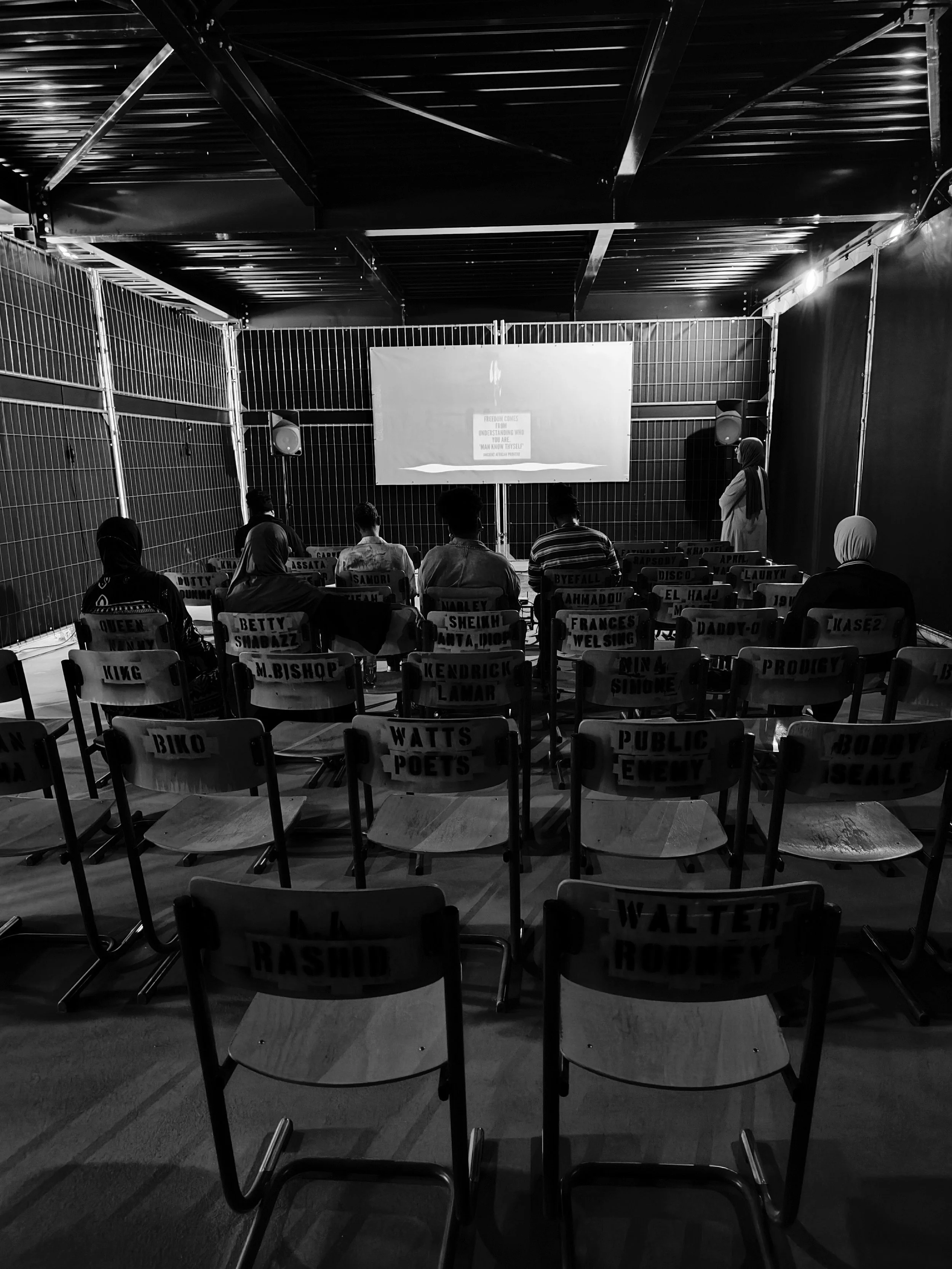
The lecture opened with the iconic Somali anti-colonial song Afrikaay Hurudooy (“Oh! Sleepy Africa”). Although the song dates back to the 1960s, it was popularised in the 1970s by the late Somali singer Halima Khaliif Omar, better known as Magool, during the 1974 OAU Summit in Mogadishu. More than a song, it served as both a wake-up call and a call to action. It challenged Africans to recognise their passive position and the exploitation they were subjected to, while simultaneously calling for unity, resistance against colonial domination, and the defence of the African continent.
Beginning the lecture in this way served as a reminder that the message carried in the song remains as relevant today as it was more than half a century ago. It also provided an invitation to reflect on the continuity of colonialism, both within African states and within African societies themselves. Although many African countries formally achieved political independence, economic domination and exploitation by former colonial powers continue in various forms. Economic dependency has become one of the primary ways through which control is exercised, illustrating that colonialism did not simply disappear with independence.
Yet the continuity of colonialism extends beyond political and economic structures. European colonialism also shaped the ways in which Africa came to understand knowledge itself. As the opening song illustrates, poetry, music, and other forms of oral expression played a significant role in anti-colonial struggles, while informal networks created spaces through which political ideas could circulate. Students, workers, and communities alike contributed to alternative forms of knowledge production outside formal institutions.
This invites a broader reflection on how knowledge is produced and valued. Across many African societies, knowledge has often been approached through critical engagement rather than through political theory alone. This is not to suggest that universities are unsuitable places for research or learning, but rather that the production and transmission of knowledge have never been confined to formal education. It also encourages us to question which ideas and systems, inherited from the West, we have come to accept as our own. The written work of an academic should not automatically be regarded as more valuable than knowledge preserved and transmitted through oral traditions. It is precisely this hierarchy of knowledge that reflects the enduring colonial character of many knowledge systems and one that continues to require critical examination.
Colonialism, Again?
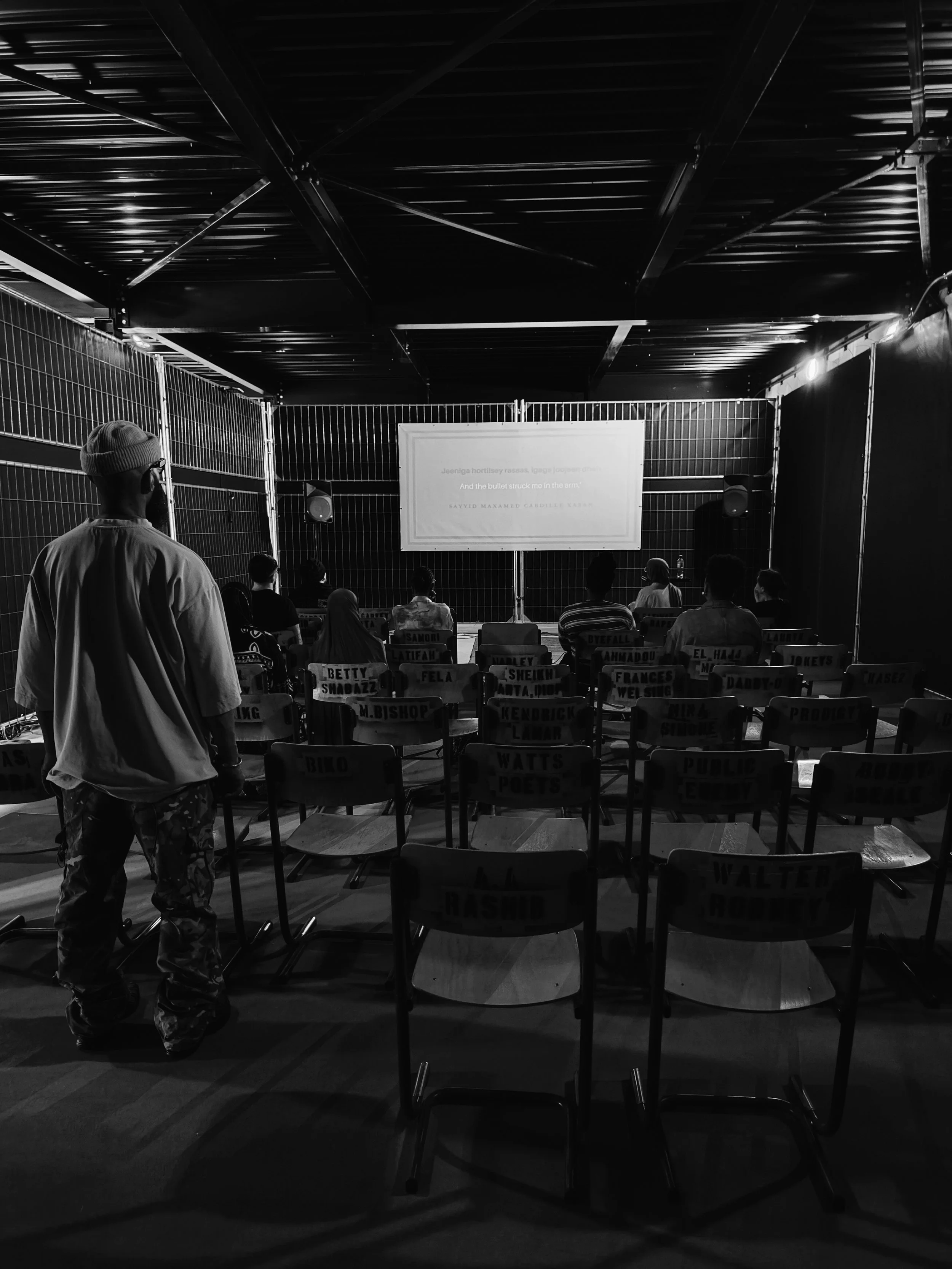
The second part of the session centred on a group exercise. Participants were divided into smaller groups and asked to consider how they would govern a population, effectively placing themselves in the position of a coloniser. Although everyone engaged with the exercise, many participants openly expressed how uncomfortable it felt to entertain such ideas. For some, the assignment evoked a profound sense of emotional discomfort. Yet this discomfort served a purpose. The exercise was designed to confront participants with the realities of colonialism by encouraging them to examine systems of domination through the lens of the coloniser rather than through the lens of the colonised.
Once participants had processed their initial reactions, they were invited to share their ideas. While a range of thought-provoking responses emerged, one concluding observation in particular resonated with the group. As Dr. Nawal Mustafa pointed out, if control relied solely on force, everyone would be up in arms. Lasting domination requires something more subtle: creating the perception that people retain a degree of agency while simultaneously fostering the impression of goodwill.
This prompted a broader reflection that resurfaced throughout the discussion. If the history of colonialism is known, how is it possible that similar patterns continue to emerge? Have we truly learned from that history, or do we continue to allow these cycles to reproduce themselves? At what point does that cycle come to an end?
One reflection that emerged from the discussion was that such cycles cannot be expected to end through the goodwill of those who benefit from them. As long as we fail to understand the systems that shape our realities as deeply as we understand ourselves, we risk perpetuating the very cycles we seek to overcome.
Reclaiming Knowledge, Reclaiming Africa
Colonialism has taken many forms throughout history, and the present is no exception. We can spend time reflecting on where these structures come from and what they mean, but reflection alone is not enough. What are we doing to make others aware of the continuity of colonialism? And whose knowledge systems do we continue to use as our point of reference?
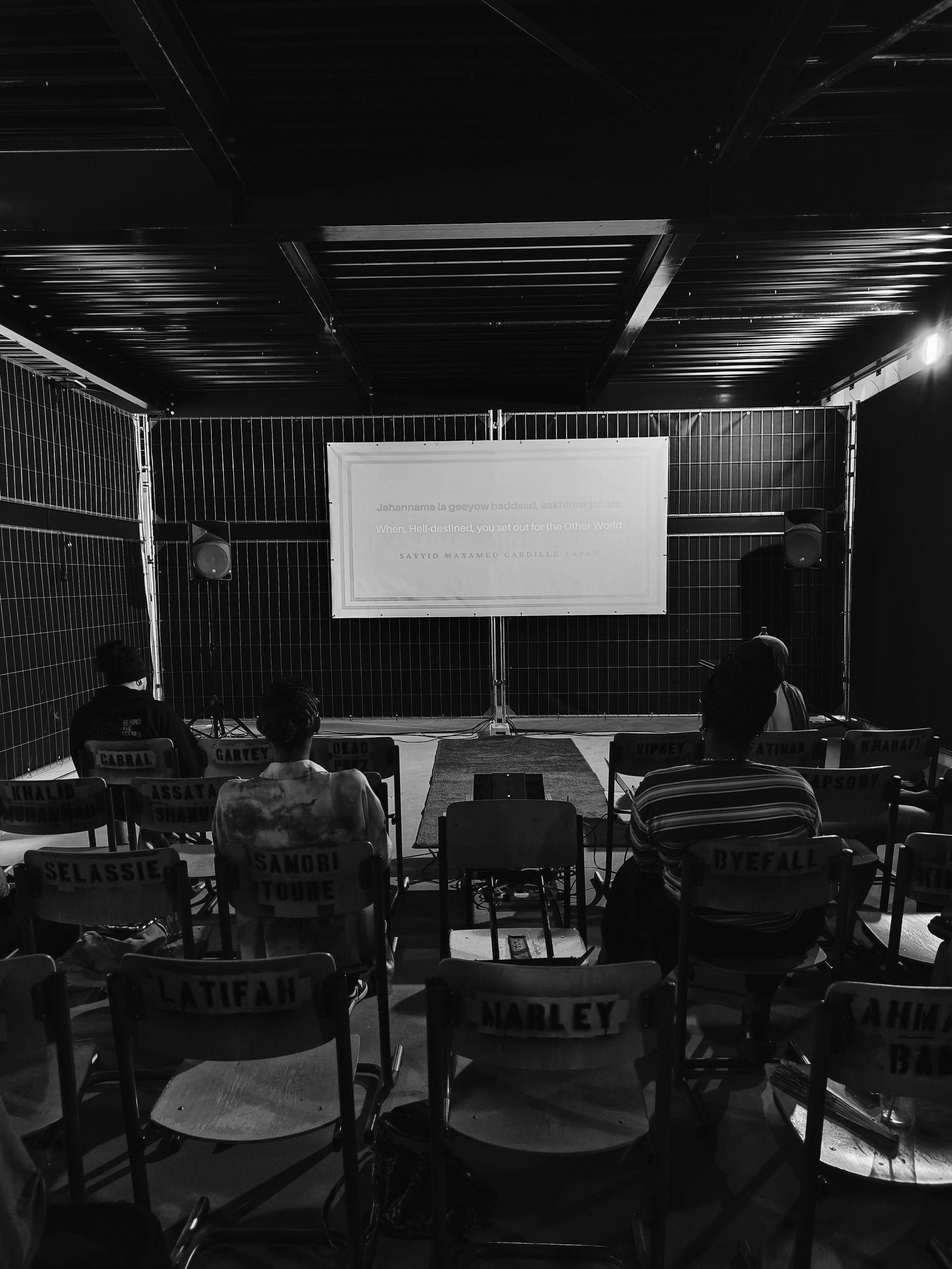
Responsibility is central to these questions. At The Black Activation Movement, we have embraced that responsibility and translated it into action. Through this program, we seek to equip the next generation with knowledge that is too often overlooked. This is what we stand for, but it is not a responsibility we are meant to carry alone. It is a collective responsibility that must eventually be taken up by others. Those participating in the current program, and in the programmes that will follow, join as students. Today, their responsibility is to bring others into this space of learning by encouraging them to participate. In the years to come, that responsibility will evolve. They will no longer participate solely as students but as future leaders. They will take ownership of the programmes that follow and ensure their continuation.
The Black Diaspora Institute carries a similar responsibility. It provides a space where participants learn how to learn, while lecturers are equally given the opportunity to develop and deliver their lectures. It is a place where knowledge that is often absent from formal education becomes accessible, where education is approached from an African perspective, and where participants gain insight into how knowledge is produced through Western frameworks and what alternative approaches exist. At the same time, it offers lecturers a platform to share knowledge that existing institutions, shaped by Western systems of knowledge production, often leave little room to present.
To both participants and lecturers, our message is the same: seek knowledge from an African perspective, but do not stop there. Share it. The space to do so exists. What, then, is your excuse?
What’s Next?
Our next African Studies class will take place on Saturday, 1 August, and will be delivered from Ghana by Dr. Joana Vondee-Awortwi. Titled Freedom and Sovereignty: Africa After Colonial Rule, the session will build on themes of independence, sovereignty, governance, and economic self-determination.
We look forward to continuing these conversations with you as we collectively explore Africa’s past, present, and future through African perspectives.